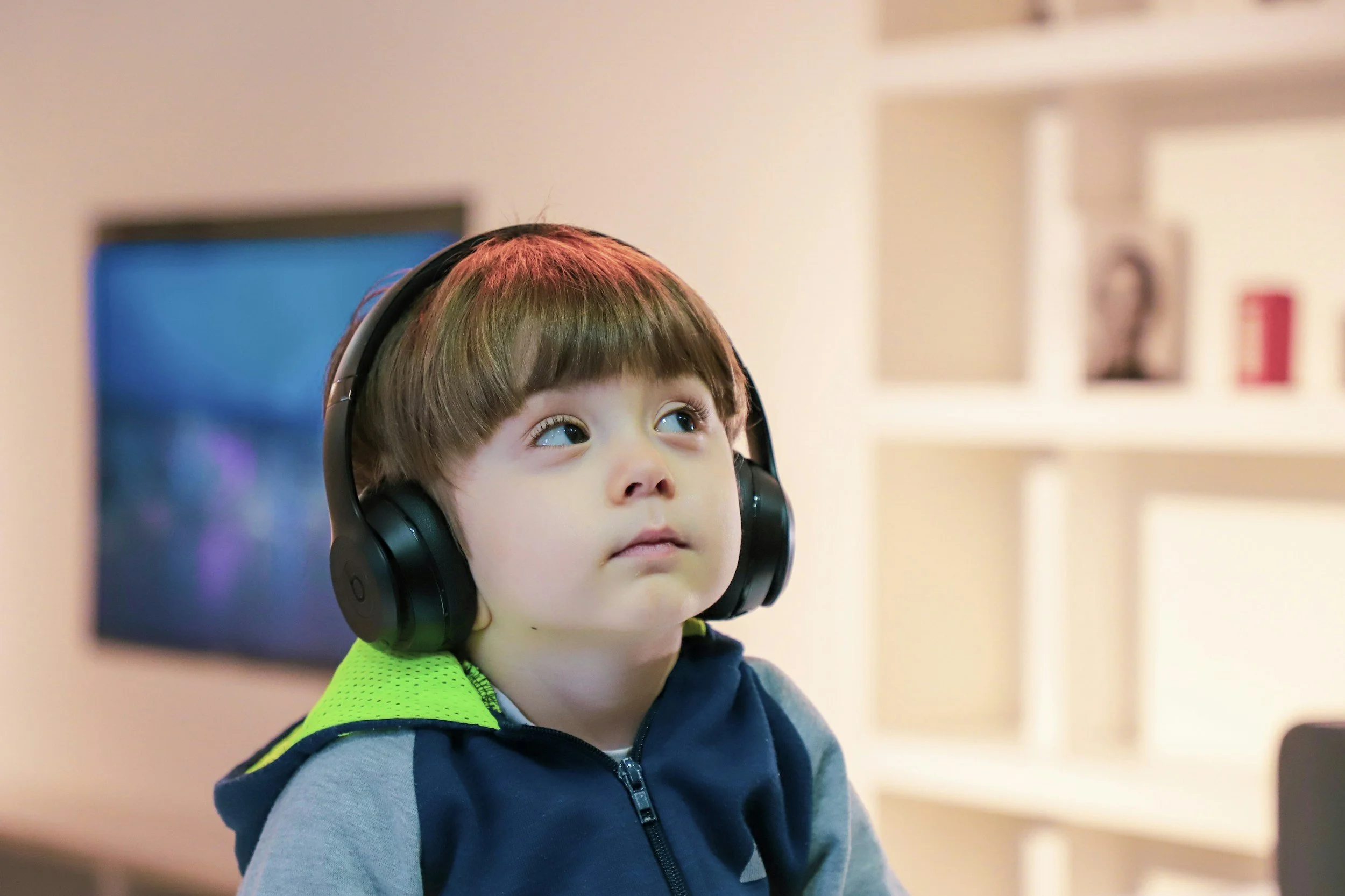
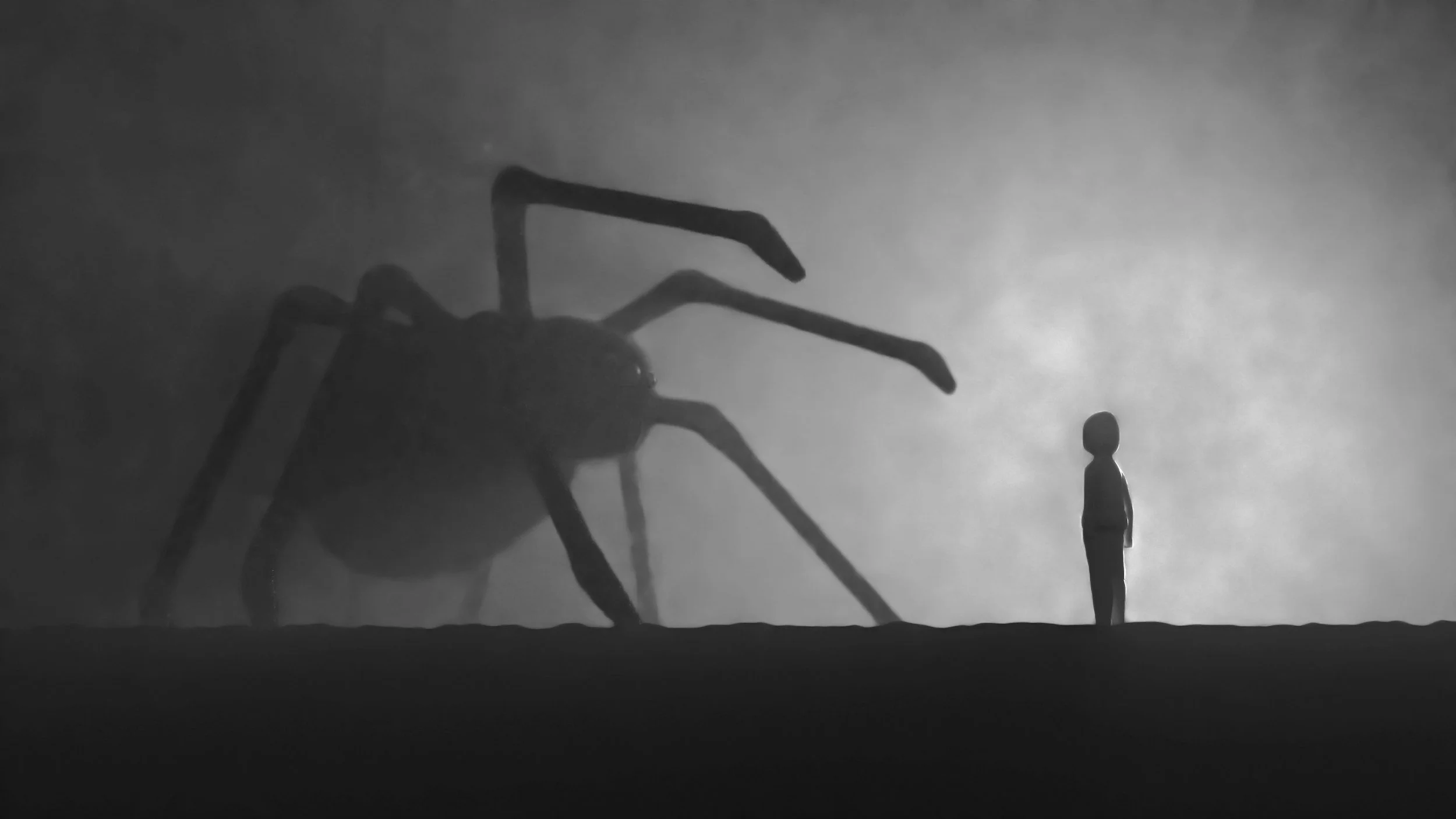
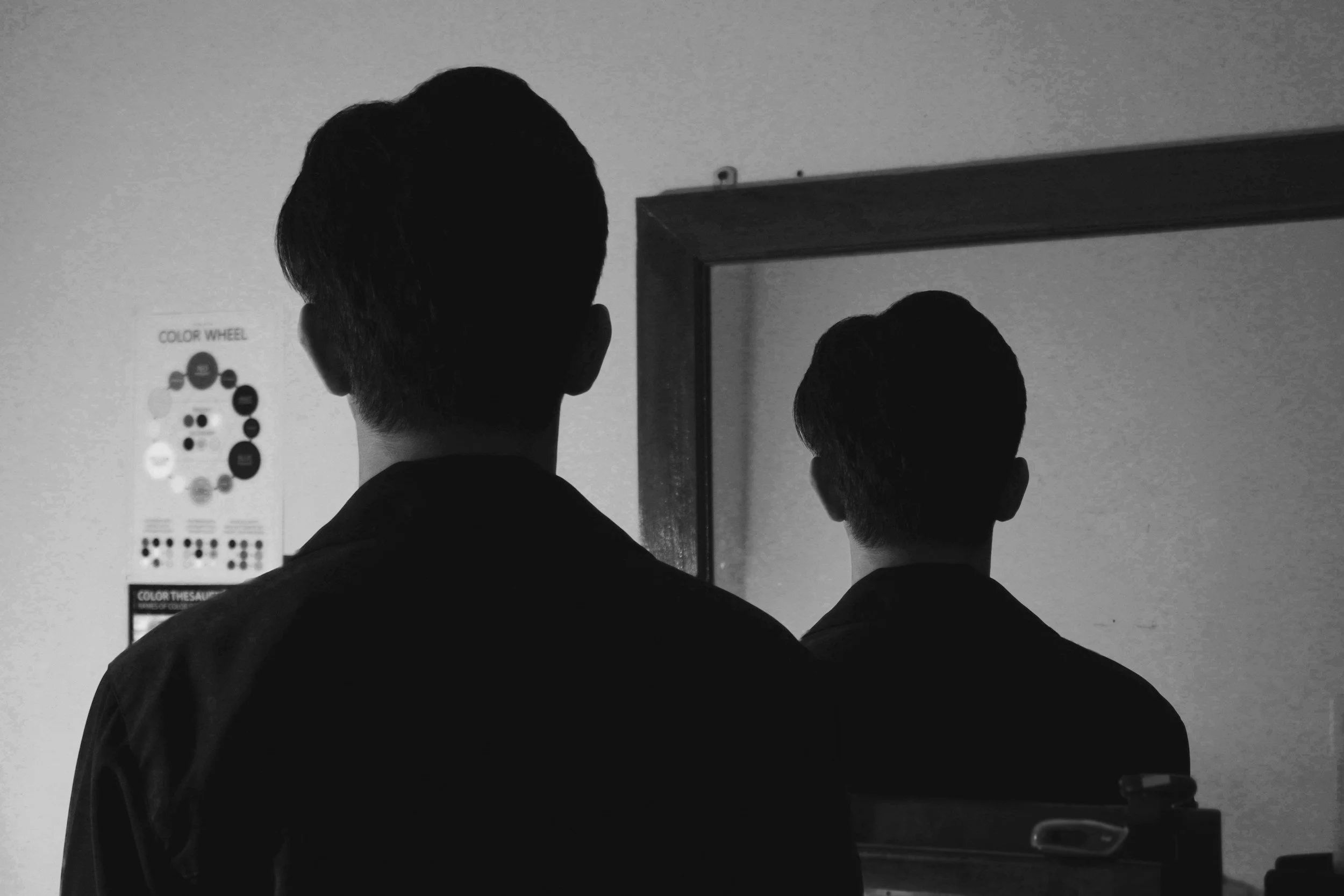
Attention-Deficit/Hyperactivity disorder (ADHD), for children and adults, untreated ADHD can have a lasting effect on school, work, and relationships. Treatment is important and can help lessen the effects of the condition.
Anxiety disorders affect globally, 359 million people, there are all different types of Anxiety disorders. They affect all parts of life but can be overcome
Autism Spectrum disorder (ASD) is a neurological condition that can cause differences in socialization, communication, and behavior. The diagnosis can look quite different, as no two autistic people are the same.
Bipolar disorder is a chronic mental health condition characterized by sudden shifts in mood. This manifests in a combination of depressive, manic, or hypomanic episodes. the most common are bipolar I and bipolar II.
Schizophrenia is a chronic mental health condition affecting less than 1% of the global population, with males typically showing symptoms in their late teens or early 20s and females in their late 20s or early 30s.
Intellectual Disabilities affect a child’s ability to learn and function at levels considered typical for their age. Learning disabilities affect a child’s ability to master specific skills, like reading.
Communication disorders can affect how a person receives, sends, processes, and understands concepts. They can also weaken speech and language skills, or impair the ability to hear and understand messages.
Tourette Syndrome is a neurological disorder. It is a syndrome that involves recurrent involuntary tics, which are repeated, involuntary physical movements and vocal outbursts. The exact cause is unknown.
Schizoaffective disorder is a rarer type of mental illness. It’s characterized by symptoms of both schizophrenia and symptoms of a mood disorder. This includes Mania or Depression
Delusional disorder is a psychotic disorder. According to the DSM-5-TR, it can be diagnosed after you’ve experienced at least one delusion for 1 month or longer. Its that bridge that often leads to schizo, its the part the doctor say it the last chance.
Brief Psychotic disorder is similar to schizophrenia, but rather than being a chronic illness, it lasts for less than 1 month. psychotic symptoms are temporary and can be triggered by a traumatic event, childbirth, or unknown reasons.
Cyclothymic disorder is characterized by fluctuating low-level depressive symptoms along with periods of mild mania (Hypomania). These changes in mood tend to occur in cycles, reaching highs and lows.
Obsessive-Compulsive disorder (OCD) is a chronic mental health condition that involves obsessions, compulsions, or both. Treatment typically includes psychotherapy and medication. Everything often has to be a certain way for them.
Body dysmorphic disorder is a psychiatric disorder in which people become obsessed with a slight imperfection or nonexistent body “flaw.” People may commonly refer to this as body dysmorphia.
Hoarding disorder occurs when someone struggles to discard items and collects unnecessary objects. Over time, the inability to throw things away can overrun the pace of collecting.
Hair-Pulling disorder (Trichotillomania) is sometimes related to certain mental health conditions, such as anxiety and depression. Causing them to pull there hair , hard when under deep emotion.
Skin-Picking disorder (Excoriation disorder) People with this disorder pick at their skin out of habit or impulse. They often describe this impulse to pick as something they struggle to control.
Dissociative identity disorder is a type of dissociative disorder. Along with dissociative amnesia and depersonalization-derealization disorder, it’s one of the three major dissociative disorders.
dissociative amnesia is a type of amnesia where you can’t remember important information about your life including things like your name, family or friends, and personal history. Due to trauma or stress.
Depersonalization-derealization disorder: It’s not unusual to feel this way from time to time. But if you have DDD, these feelings can linger for long periods of time and get in the way of day-to-day activities.
Insomnia disorder is a sleep disorder involving difficulty falling asleep, staying asleep, or experiencing non-restorative sleep. Lifestyle changes, medication, and therapy are treatments.
Narcolepsy is a long-term neurological condition that disrupts the nervous system, leading to abnormal sleep patterns and affecting a person’s quality of life. The symptoms may include daytime sleepiness, sudden sleep.
sleep Apnea: There are two types of sleep apnea, obstructive sleep apnea (OSA) and central sleep apnea (CSA). Between 7% and 11% of children have a nighttime breathing disorder, whether it’s sleep apnea, snoring, or something else.
Nightmare disorder: Vivid, upsetting nightmares happen sometimes. When they occur regularly and affect your ability to sleep or function. They attack on your fears, or past trauma in one life, similar to PTSD and other disorders.
Restless Legs Syndrome: People find relief by moving more frequently, modifying your sleep hygiene, taking hot baths, massaging your legs, and wearing compression socks during the day. If at-home treatments don’t help, speak with a doctor.
Delirium: is a sudden change in your alertness and thinking. People with delirium typically become confused and have trouble paying attention. Delirium is an abrupt change to your mental state. It makes it difficult to think, remember, focus, and more.
Addiction: its something you cant escape, it eats at you, like a claw holding you down. the thrill of something make you keep coming back, that original high. You can be addicted to anything, there such a wide range, and its impossible to get out.
Borderline Personality disorder: is a rare type of personality disorder where someone has difficulty processing or managing their emotions. It can range from self-image issues to varying moods and behavioral changes, it can occur anytime of the day.
Antisocial Personality disorder: is a mental health condition involving longstanding patterns of manipulation and disregard for others. It’s only diagnosed in those over the age of 18. have a mental health condition that causes patterns of manipulation.