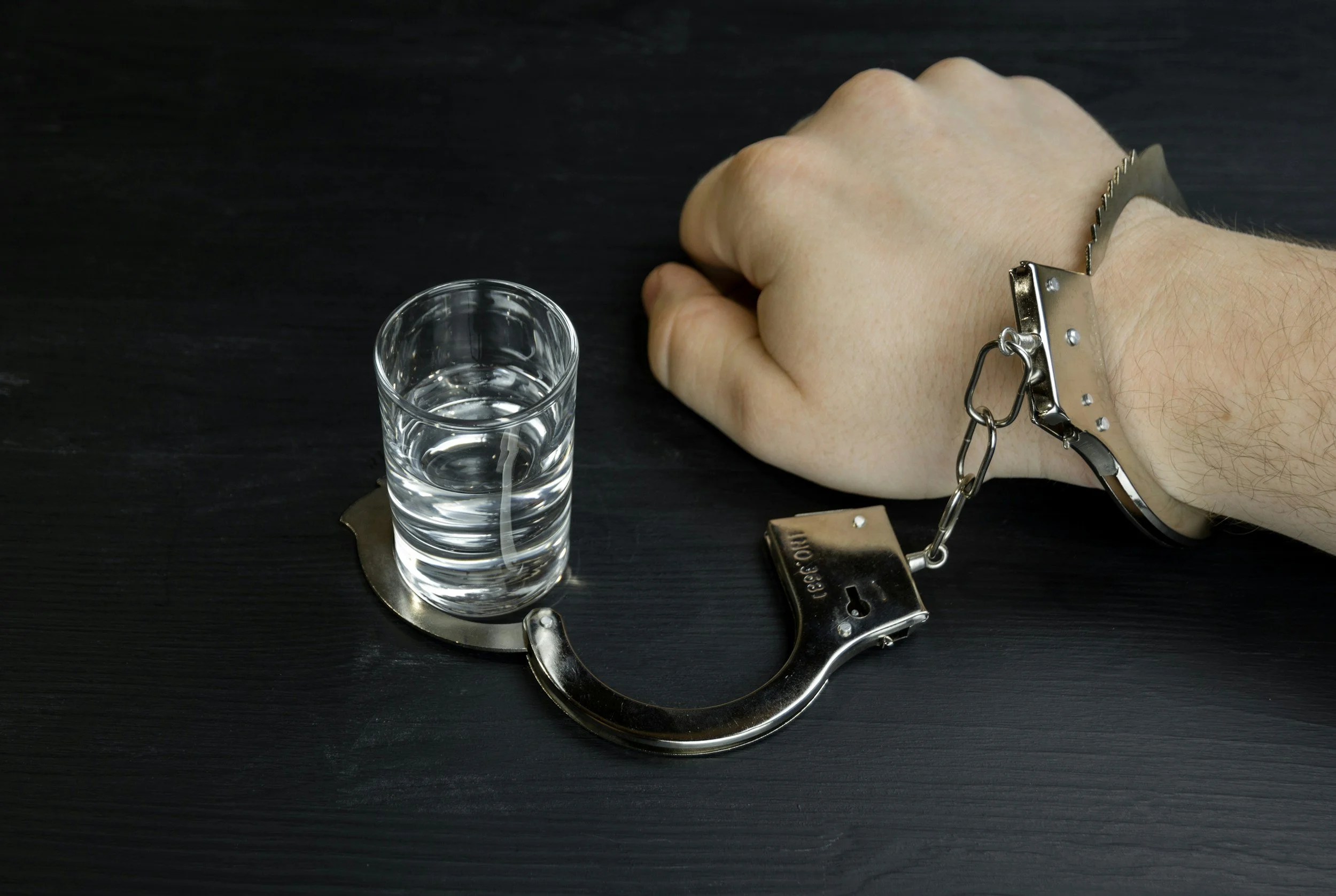
Non-substance addictions
Behavioral addictions can occur with any activity that’s capable of stimulating your brain’s reward system. Behavioral scientists continue to study the similarities and differences between substance addictions, behavioral addictions and other compulsive behavior conditions like obsessive-compulsive disorder (OCD) and bulimia nervosa.
The DSM-5 currently only recognizes gambling disorder as a diagnosable behavioral addiction in the subsection of “non-substance-related disorders” in the category of “substance-related and addictive disorders.”
The DSM-5 doesn’t currently include other behavioral addictions due to a lack of research on them. However, any activity or habit that becomes all-consuming and negatively impacts your daily functioning can cause significant mental, social and physical health issues, as well as financial issues in some cases.
Examples of potentially addictive activities include:
Eating.
Exercising or dieting.
Shoplifting or other risky behaviors.
Having sex.
Viewing pornography.
Using the internet (such as on your phone or a computer).
Management and Treatment
How are addictions treated?
Your healthcare provider may recommend a combination of treatment options, including:
Hospital management: Certain substances can create withdrawal that can be dangerous. Special hospital units practice monitoring and therapy to care for you while you go through substance withdrawal.
Medications: Certain medications can reduce urges, cravings and ongoing withdrawal symptoms. If you have another mental health condition, such as bipolar disorder or depression, your provider may treat those with medications as well.
Rehabilitation (rehab): This is also called “sober living” or “residential treatment.” Providers offer structured counseling, education, support and encouragement during rehab. You may live at a rehab facility (inpatient rehab) or visit one for scheduled sessions (outpatient rehab). Rehab services focus on helping you manage addiction long-term and live a healthier life.
Therapy: Several types of therapy help people with addiction gain new perspectives and change their behavior. Your provider may recommend types of psychotherapy (talk therapy), like cognitive behavioral therapy or group therapy.
Support groups: Many people manage addiction with the help of a support group, such as Alcoholics Anonymous or Narcotics Anonymous. Groups like Al-Anon support family members and friends of people with substance use disorders. These groups offer people the opportunity to share experiences and find ongoing support.
Addiction
Addiction is a chronic condition that can affect many aspects of your life, including your physical and mental health, relationships and career. There are two main forms of addiction: substance use disorders and behavioral addictions. Addiction is treatable. It’s crucial to seek help as soon as possible.
Substance addictions
Healthcare providers and the medical community now call substance addiction substance use disorder. The American Psychiatric Association’s Diagnostic and Statistical Manual of Mental Disorders (DSM-5) has concrete diagnostic criteria for substance use disorders.
Substances are drugs that have addiction potential. They can be prescription medications or non-medical drugs and include:
Alcohol.
Hallucinogens, such as PCP and LSD.
Hypnotics, sedatives and anxiolytics (anti-anxiety drugs), such as sleeping pills, benzodiazepines and barbiturates.
Inhalants, such as paint thinners, aerosol sprays, gases and nitrites (poppers).
Prescription and non-prescription opioids, such as codeine, oxycodone and heroin.
Prescription and non-prescription stimulants, such as Adderall®, cocaine and methamphetamine.
Tobacco/nicotine, such as smoking cigarettes and electronic cigarettes (e-cigarettes or vaping).
Is addiction a disease?
Yes, addiction is a disease — it’s a chronic condition. The American Society of Addiction Medicine (ASAM) defines addiction as a chronic brain disorder. Addiction doesn’t happen from having a lack of willpower or as a result of making bad decisions. Your brain chemistry changes with addiction.
Symptoms and Causes
What are the signs of addiction?
Symptoms of addiction vary from person to person and based on the substance or activity. In general, signs include:
Inability to stop: People may use a substance or engage in harmful addictive behavior even if they want to stop. They may have tried multiple times to reduce the substance use or behavior but can’t. They may also lie to their loved ones about it or try to hide it.
Increased tolerance: Over time, they may need more of the substance or activity to feel the same euphoric effects as they did before.
Intense focus on the substance or activity: People with addictions become pathologically preoccupied with the substance or activity. They may feel that the addiction has taken over their lives, as they spend more and more time craving, obtaining and thinking of the subject of the addiction.
Lack of control: They may feel like they’ve lost complete control over their substance use or activity and often feel helpless. They may often feel guilty, depressed and/or overwhelmed by their addiction and how much it’s impacted their lives.
Personal problems and health issues: Addiction impacts all aspects of their lives, including their physical health, mental health, personal relationships and career. They may have issues fulfilling responsibilities at work, school or home due to substance use or the activity. Again, despite knowing the detrimental effects their addictions are having on them, they can’t stop.
Withdrawal: People with addiction may experience emotional and physical withdrawal symptoms when they stop using. Physical symptoms include shaking, sweating or vomiting. They may also become anxious or irritable.
Prevention
There are steps you can take to reduce your risk of developing an addiction, including:
Avoiding or limiting substances that have addiction potential: Try to avoid or limit your use of non-medical substances, and always follow your provider’s orders for prescription medication use. If you feel like you’re developing a dependence on prescription medication, contact your provider immediately.
Knowing your family history: If you have a family history of substance use disorders or behavioral addictions, you may be more vulnerable. Talk to your healthcare provider about ways to lower your risk.
Healthily managing stress: The risk of substance use increases greatly during times of stress and change. It’s important to turn to healthy coping mechanisms during these times, such as exercising, meditating or learning a new hobby. Consider seeing a mental health professional if you’re having issues managing your stress.
How can I help someone with an addiction?
It can be very challenging and stressful to learn that someone you love may have a behavioral addiction or substance use disorder. Here are some tips to help your loved one and yourself:
Speak up sooner rather than later: The earlier a person with addiction receives treatment, the better. Address your concerns and help them find treatment as soon as possible. Suggest calling a helpline, talking to a healthcare provider or mental health professional, entering a treatment program or going to a 12-step program. Offer your help and support without being judgmental.
Practice empathy: Even when you don’t agree with your loved one, listen thoughtfully to them. The more your loved one feels heard, the more they’ll see you as someone they can trust.
Be patient: Don’t expect a single conversation or action to fix your loved one’s addiction. Substance abuse disorders and behavioral addictions are complex chronic conditions, and there’s no quick fix to overcoming them.
Take care of yourself: The friends and family members of people with addiction often experience stress, depression, grief and isolation. It’s important to take care of your mental health and seek help if you’re experiencing these symptoms. Consider joining a support group or organization in your community.