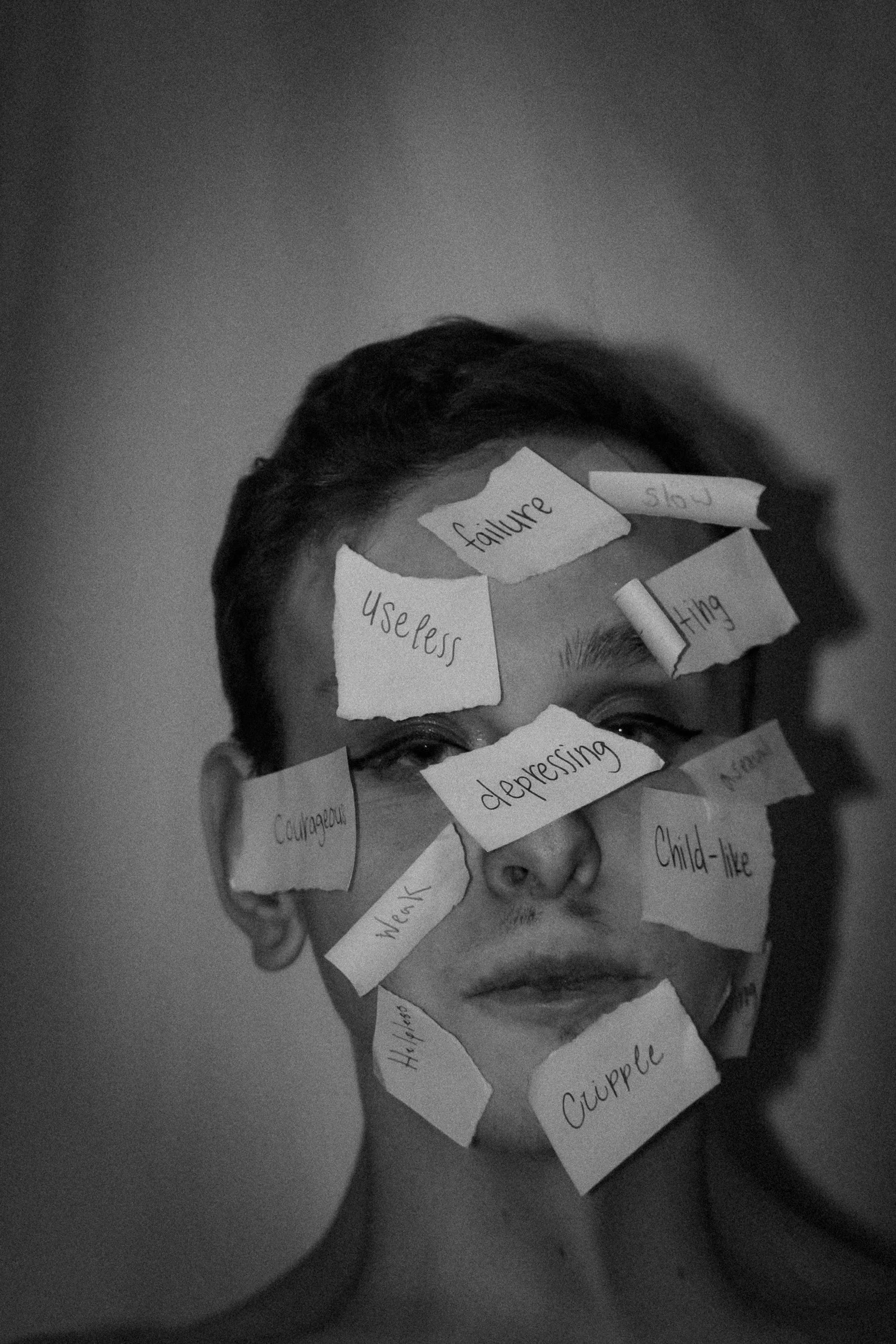
Bipolar II
Bipolar II also involves high and low moods, but depressive symptoms are more likely to dominate, and manic symptoms are less severe. This less severe type of mania is known as hypomania.
For a diagnosis of bipolar II disorder, a person must:
have experienced at least one episode of major depression
have had at least one episode of hypomania
not have another condition that could explain the symptoms
Getting help
If you’re having thoughts of suicide, help is out there. There is a thriving community of people living with and supporting each other through bipolar disorder every day.
For free, confidential 24/7 help:
988 Suicide & Crisis Lifeline: call or text 988 or use the chat feature at 988Lifeline.org
Crisis Text Line: text HOME to 741-741
Substance Abuse and Mental Health Services Administration (SAMHSA) National Helpline: call 800-662-HELP (4357)
Trans Lifeline: call 877-565-8860 in the United States, or call 877-330-6366 in Canada
Bipolar Disorder
Bipolar disorder includes several types, each characterized by varying degrees of mania and depression, which can sometimes be difficult to distinguish from other conditions. Key signs of bipolar disorder include distinct periods of elevated mood (mania or hypomania) and periods of depression, which can impact energy, sleep, behavior, and overall well-being. An accurate diagnosis is essential for effective treatment, as bipolar disorder can be mistaken for depression or other conditions, and specific treatments like antidepressants may not be effective or could trigger manic episodes. Bipolar disorder is a mental health condition that involves significantly high and low moods. Highs are periods of mania or hypomania, while lows are periods of depression. The changes in mood may also become mixed, so you might feel elated and depressed at the same time. The National Institute of Mental Health estimates that around 4.4% of adults in the United States experience bipolar disorder during their lifetime. The symptoms usually appear between the ages of 18 to 29 years, but they can occur at any age, including childhood and the teenage years. Bipolar disorder can be hard to diagnose, as signs and symptoms vary. The Diagnostic and Statistical Manual of Mental Disorders, 5th edition, text revision (DSM-5-TR) lays out the criteria for diagnosing bipolar disorder.
Bipolar I - To have bipolar I, a person must experience manic episodes. In order for an event to be considered a manic episode, it must:
include shifts in mood or behaviors that are unlike the person’s usual behavior
be present most of the day, nearly every day during the episode
last at least 1 week, or be so extreme that the person needs immediate hospital care
People with bipolar I typically have depressive episodes as well, but a depressive episode isn’t required to make the bipolar I diagnosis. For a diagnosis of bipolar I, the person should not have another condition that could explain the symptoms.
Mood episodes are the main symptom of bipolar disorder, and everyone with the condition experiences these a little differently. Most people who live with bipolar disorder experience manic episodes (highs) and depressive episodes (lows).
These episodes can last for several days, weeks, or more. People with bipolar disorder tend to fluctuate rapidly between mania and depression. Some people with bipolar disorder have long periods with neutral moods as well.
The way people experience manic episodes varies from one person to another, but the episodes usually involve:
feeling high, elated, or tense
having little appetite
having little need for sleep
having racing thoughts
possibly making harmful decisions
sometimes feeling “all powerful”
During a depressive episode, your symptoms will likely be at the other end of the spectrum. You may:
feel extreme sadness, hopelessness, or emptiness
sleep more
eat more
have trouble concentrating and completing tasks
have less interest in activities you usually enjoy
have feelings of self-hatred or suicidal thoughts