Causes
The exact cause is not fully known, but researchers believe it's a combination of factors:
Hypocretin Deficiency: Type 1 narcolepsy is strongly linked to the loss of neurons in the brain that produce hypocretin (orexin), a neurotransmitter that regulates wakefulness and REM sleep.
Autoimmune Reaction: Experts suspect the loss of these hypocretin-producing cells is caused by an autoimmune response, where the body's immune system mistakenly attacks its own healthy brain tissue.
Genetics and Environment: A genetic predisposition is likely, sometimes triggered by environmental factors like certain viral infections (e.g., H1N1 flu).
Narcolepsy
Narcolepsy is a chronic neurological disorder that affects the brain's ability to control sleep-wake cycles, leading to excessive daytime sleepiness and other symptoms where aspects of sleep intrude into wakefulness. There are two main types:
Type 1 Narcolepsy: Involves excessive daytime sleepiness along with cataplexy (sudden muscle weakness) and very low levels of the brain chemical hypocretin (orexin).
Type 2 Narcolepsy: Involves excessive daytime sleepiness but typically no cataplexy and normal hypocretin levels.
Symptoms
Symptoms usually first appear between the ages of 10 and 30. Not everyone experiences all symptoms.
Excessive Daytime Sleepiness (EDS): The primary symptom, an overwhelming urge to sleep or "sleep attacks" at inappropriate times (e.g., during conversations, meals, or driving). These naps often feel refreshing but sleepiness returns quickly.
Cataplexy: Sudden, brief loss of voluntary muscle control or weakness, often triggered by strong emotions like laughter, anger, or surprise. In mild cases, it may just be a slight buckling of the knees or drooping eyelids; in severe cases, it can cause a complete body collapse for a few seconds to minutes.
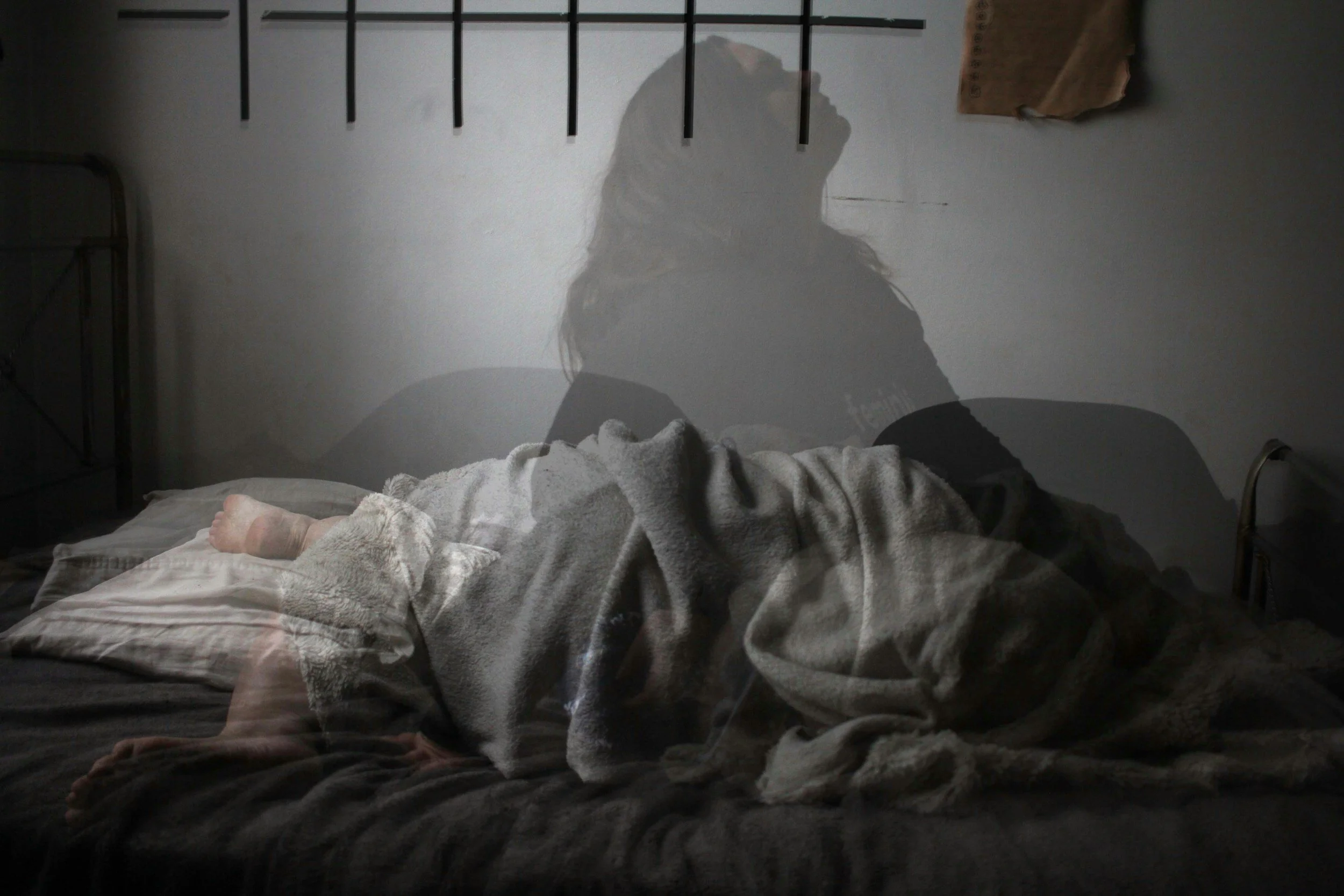
Sleep Paralysis: A temporary inability to move or speak while falling asleep or waking up. These episodes are usually brief but can be frightening.
Hypnagogic Hallucinations: Vivid, often frightening, dream-like visual or auditory sensations that occur as one is falling asleep (hypnagogic) or waking up (hypnopompic).
Disrupted Nighttime Sleep: Despite daytime sleepiness, many people with narcolepsy have fragmented, restless sleep at night with frequent awakenings.
Treatments
There is no cure for narcolepsy, but a combination of medication and lifestyle changes can effectively manage the symptoms and allow individuals to lead full, productive lives.
Medications
Medications target specific symptoms and are tailored to individual needs:
Stimulants: Help promote wakefulness during the day (e.g., modafinil, armodafinil, methylphenidate).
Sodium Oxybate (Xyrem, Lumryz): A central nervous system depressant taken at night that improves nighttime sleep quality and effectively treats both excessive daytime sleepiness and cataplexy.
Antidepressants: Certain antidepressants (SSRIs, SNRIs, tricyclics) can help control cataplexy, sleep paralysis, and hallucinations by suppressing REM sleep.
Newer Medications: Pitolisant and solriamfetol are newer options for managing daytime sleepiness.
Lifestyle and Behavioral Adjustments
Scheduled Naps: Planning short, regular naps (15-20 minutes) throughout the day can reduce sleepiness and improve alertness.
Consistent Sleep Schedule: Going to bed and waking up at the same time every day, even on weekends, helps regulate the body's internal clock.
Good Sleep Hygiene: Ensuring a cool, dark, and quiet sleep environment; avoiding caffeine, alcohol, and large meals close to bedtime; and getting regular exercise during the day (but not too close to sleep time).
Safety Precautions: Individuals may have driving restrictions and should take precautions when operating machinery or engaging in dangerous activities.
Support and Education: Informing family, friends, and employers can build a supportive network and facilitate necessary accommodations. Support groups, such as those available through the Narcolepsy Network, offer valuable coping strategies and community resources.