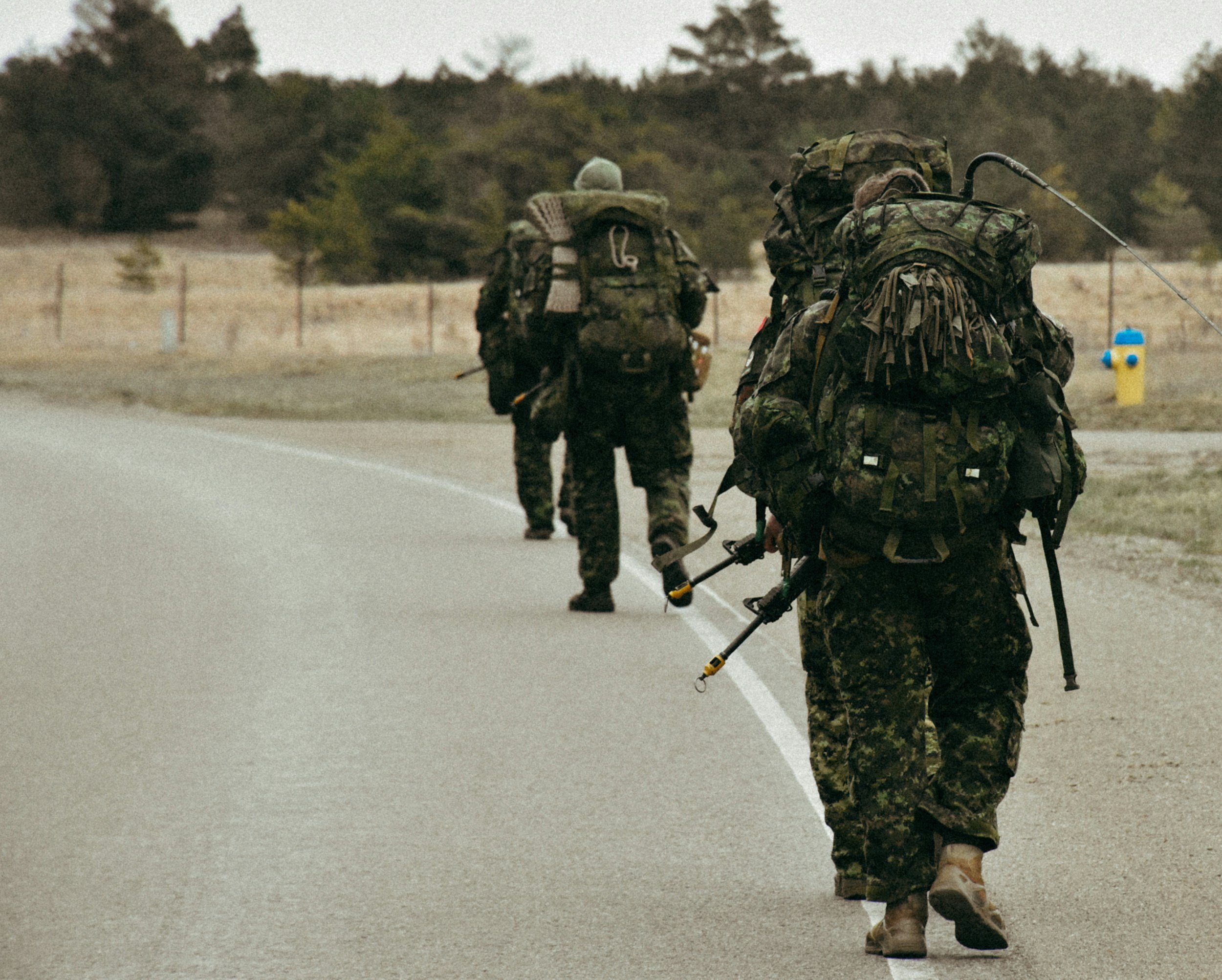
PTSD
PTSD (post-traumatic stress disorder) is a mental health condition that some people develop after they experience or witness a traumatic event. The traumatic event may be life-threatening or pose a significant threat to your physical, emotional or spiritual well-being. PTSD affects people of all ages. PTSD is common. It develops in 5% to 10% of people who have experienced trauma.
People with PTSD have intense and intrusive thoughts and feelings related to the experience that last long after the event. PTSD involves stress responses like:
Anxiety, depressed mood, or feelings of guilt or shame.
Having flashbacks or nightmares.
Avoiding situations, places and activities related to the traumatic event.
Trauma or a traumatic event is anything that severely threatens your existence or sense of safety. It doesn’t have to be a single event (like a car accident) It can be long-term trauma like living through war or frequent abuse. Trauma also doesn’t have to happen directly to you — you could witness a traumatic event. In addition, you could develop PTSD after learning that a traumatic event happened to a loved one.
Examples of traumatic events include (but aren’t limited to):
Serious accidents, like a car accident.
Severe injury or sudden illness.
War and military combat.
Natural disasters, such as a tornado, earthquake, fire or flood.
Physical abuse.
Verbal abuse.
Sexual assault or abuse.
Bullying.
What are the symptoms of PTSD?
To receive a PTSD diagnosis, symptoms must last for more than a month and must cause significant distress or issues in your daily functioning. The symptoms of PTSD fall into four categories:
Intrusion:
Intrusive thoughts, such as repeated, involuntary memories.
Nightmares.
Flashbacks of the traumatic event, which can be very vivid and feel real.
Avoidance:
Avoiding reminders of the traumatic event, like people, places, activities, things and situations.
Avoiding remembering or thinking about the traumatic event.
Avoiding talking about what happened or how you feel about it.
Changes in thinking and mood:
Ongoing fear, horror, anger, guilt or shame.
Memory loss of important aspects of the traumatic event.
Ongoing negative and distorted thoughts and feelings about yourself or others.
Distorted thoughts about the cause or effects of the event that lead to wrongly blaming yourself or others.
Feeling detached from others.
No longer enjoying activities you once did.
Being unable to experience positive emotions.
Changes in arousal and reactivity:
Irritability and angry outbursts.
Reckless or self-destructive behavior.
Being overly watchful of your surroundings (hypervigilance).
Being easily startled.
Problems concentrating or sleeping.
Symptoms of PTSD in children
Children with PTSD may have difficulty expressing how they’re feeling or they may have experienced trauma that you don’t know about. They may seem restless, fidgety, or have trouble paying attention and staying organized.
These symptoms can be confused with symptoms of attention-deficit/hyperactivity disorder (ADHD). Because of this, it’s important to take your child to a specialist (like a child psychologist) who has experience in diagnosing PTSD.
Complications of PTSD
The following conditions are common in people with PTSD, which can make PTSD symptoms worse:
Neurological conditions, including dementia.
Substance use disorder, including alcohol use disorder.
People with PTSD also have an increased risk of suicidal thoughts and attempts.
If you or a loved one is thinking about suicide, call or text 988 to reach the Suicide and Crisis Lifeline. Someone is available to help you 24/7.
What causes PTSD?
Approximately 61% to 80% of people experience a traumatic event at some point in their lives. PTSD develops in about 5% to 10% of this population.
It’s unclear why people respond differently to trauma. But studies show that people with PTSD have abnormal levels of certain neurotransmitters and hormones. They also experience brain changes.